Why These Small Birds Matter More Than You Think
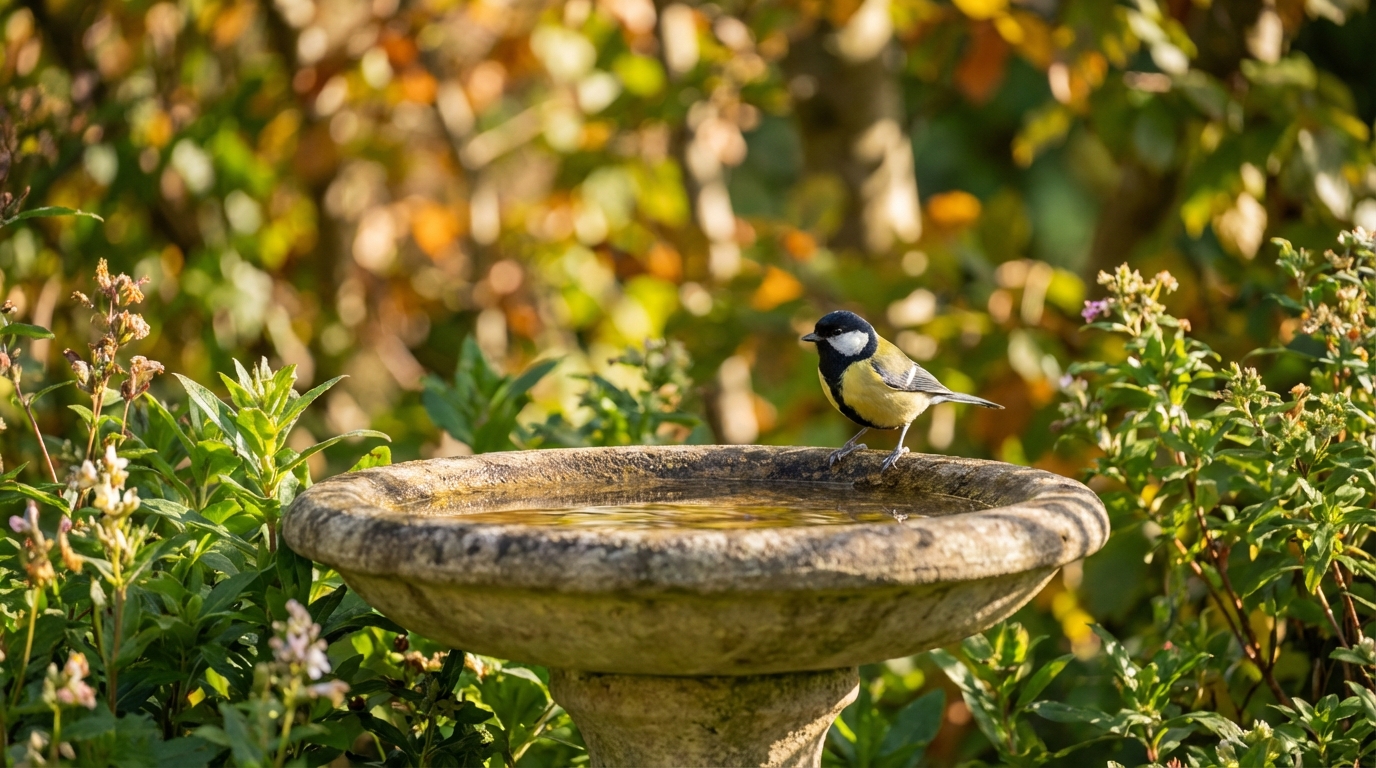
Your garden is more than just a collection of plants and flowers. It's a living ecosystem, and within it exists a remarkable indicator of environmental health that most people overlook: the great tit. These small, elegant birds with their distinctive black and white markings have become increasingly recognized by ecologists and bird enthusiasts as powerful ecological barometers. Their presence, behavior, and population dynamics reveal crucial information about the quality of your garden's ecosystem and the broader environmental conditions surrounding your home.
The great tit isn't just another garden visitor. Scientists across Europe and Asia have documented how these birds respond sensitively to changes in their environment, making them invaluable for understanding ecological shifts that might otherwise go unnoticed.
Understanding the Great Tit as an Ecological Indicator
What Makes Them Special?
Great tits possess several characteristics that make them exceptional ecological barometers. First, they're highly visible and relatively easy to observe compared to many other species. Unlike elusive creatures that hide in dense vegetation, great tits are active, vocal, and present year-round in most temperate regions.
Second, these birds occupy a middle position in the food chain. They feed on insects during breeding season and seeds throughout the year, making them sensitive to fluctuations in both insect populations and plant productivity. This dietary flexibility means they respond to multiple environmental stressors simultaneously, providing a comprehensive picture of ecosystem health.
Third, great tits are territorial and establish regular routines. This predictability allows gardeners and researchers to monitor their behavior patterns over time, identifying meaningful changes that indicate environmental shifts.
The Connection Between Birds and Environmental Health
When great tits thrive in your garden, it typically signals:
- Healthy insect populations (their primary food source during breeding)
- Adequate vegetation structure for nesting and shelter
- Minimal use of pesticides and harmful chemicals
- Suitable temperature ranges and climate conditions
- Presence of natural food sources like seeds and berries
Conversely, declining great tit populations or behavioral changes often indicate problems you might not immediately notice. They serve as an early warning system for environmental degradation.
How Great Tits Respond to Environmental Changes
Timing Shifts and Climate Change
One of the most fascinating ways great tits function as ecological barometers involves their breeding cycles. Research conducted over decades has shown that great tits are responding to climate change by adjusting their breeding times earlier in spring. This shift, called phenological change, occurs because warmer temperatures bring insects earlier than they historically appeared.
However, this adaptation comes with risks. If the timing becomes mismatched between the birds' breeding season and peak insect availability, chick survival rates plummet. By observing when great tits nest and raise their young, you're actually witnessing the effects of climate change in real-time.
Insect Population Health
Great tits consume enormous quantities of insects during the breeding season. A single pair raising chicks can consume thousands of caterpillars and other invertebrates. If you notice fewer great tits visiting your garden or less activity around feeding areas during spring and summer, it may indicate declining insect populations.
This matters because:
- Insects are the foundation of food webs
- Many plants depend on insects for pollination
- Insect decline indicates pesticide pressure or habitat loss
- The absence of insects affects all garden wildlife
Nesting Success and Habitat Quality
The number of nesting boxes occupied by great tits and the success of their broods reveals much about habitat quality. Birds that successfully raise multiple broods indicate:
- Sufficient food availability
- Appropriate shelter and protection
- Low predation pressure
- Minimal disturbance from human activity
Conversely, abandoned nests or failed breeding attempts suggest environmental stress.
Creating a Garden That Attracts Great Tits and Supports Ecological Health
Essential Elements for Great Tit Populations
If you want to use great tits as ecological barometers, you first need to create conditions that attract and sustain them. Here's what they need:
Food Sources
- Native trees and shrubs that produce berries and seeds
- Pesticide-free insects and invertebrates
- Supplementary feeding stations during winter months
- Sunflower seeds and suet for high-energy food
Shelter and Nesting Sites
- Dense shrubs and trees for roosting
- Nesting boxes with appropriate entrance hole sizes (28-32mm for great tits)
- Climbing plants and evergreens for year-round cover
- Dead wood for insect habitat and shelter
Water Access
- Shallow water sources for drinking and bathing
- Maintained water year-round, especially in winter
- Positioned away from predators but visible for safety
Managing Your Garden for Ecological Health
To maximize your garden's value as a monitoring site for great tit populations:
- Avoid pesticides and herbicides that eliminate their food sources
- Plant native species that support local insect populations
- Leave some areas unmaintained to provide natural shelter
- Install and monitor nesting boxes
- Keep detailed records of great tit visits and behaviors
- Maintain consistent feeding stations, especially in winter
What Your Observations Can Tell You
Signs of a Healthy Ecosystem
When your garden hosts thriving great tit populations, you're likely experiencing:
- Balanced predator-prey relationships
- Adequate biodiversity
- Minimal chemical pollution
- Suitable microclimates and shelter
- Sustainable resource availability
Warning Signs to Watch For
Conversely, declining great tit presence or behavioral changes may indicate:
- Excessive pesticide use in your area
- Loss of natural habitat
- Climate stress or extreme weather impacts
- Increased predation or disturbance
- Nutritional deficiencies or food scarcity
The Broader Ecological Picture
Great tits don't exist in isolation. Their presence reflects the health of an entire ecosystem. When you observe these birds thriving in your garden, you're witnessing the successful interaction of countless organisms and environmental factors.
Scientists worldwide use great tit populations as part of long-term ecological monitoring programs. By keeping your own observations, you contribute to citizen science efforts that help researchers understand how ecosystems respond to environmental change. Your garden becomes a data point in a much larger picture of ecological health.
Start Your Own Great Tit Monitoring
The beauty of using great tits as ecological barometers lies in its accessibility. You don't need specialized equipment or extensive training. Simply by observing these birds regularly, recording their presence, noting breeding attempts, and documenting behavioral changes, you become a citizen scientist contributing to ecological understanding.
Begin by creating a welcoming habitat, installing nesting boxes, and maintaining a simple observation log. Over months and years, patterns will emerge. You'll develop an intuitive understanding of how your garden's ecosystem fluctuates and responds to seasonal and long-term environmental changes.
Your great tits are already telling the story of your garden's health. All you need to do is listen and observe.