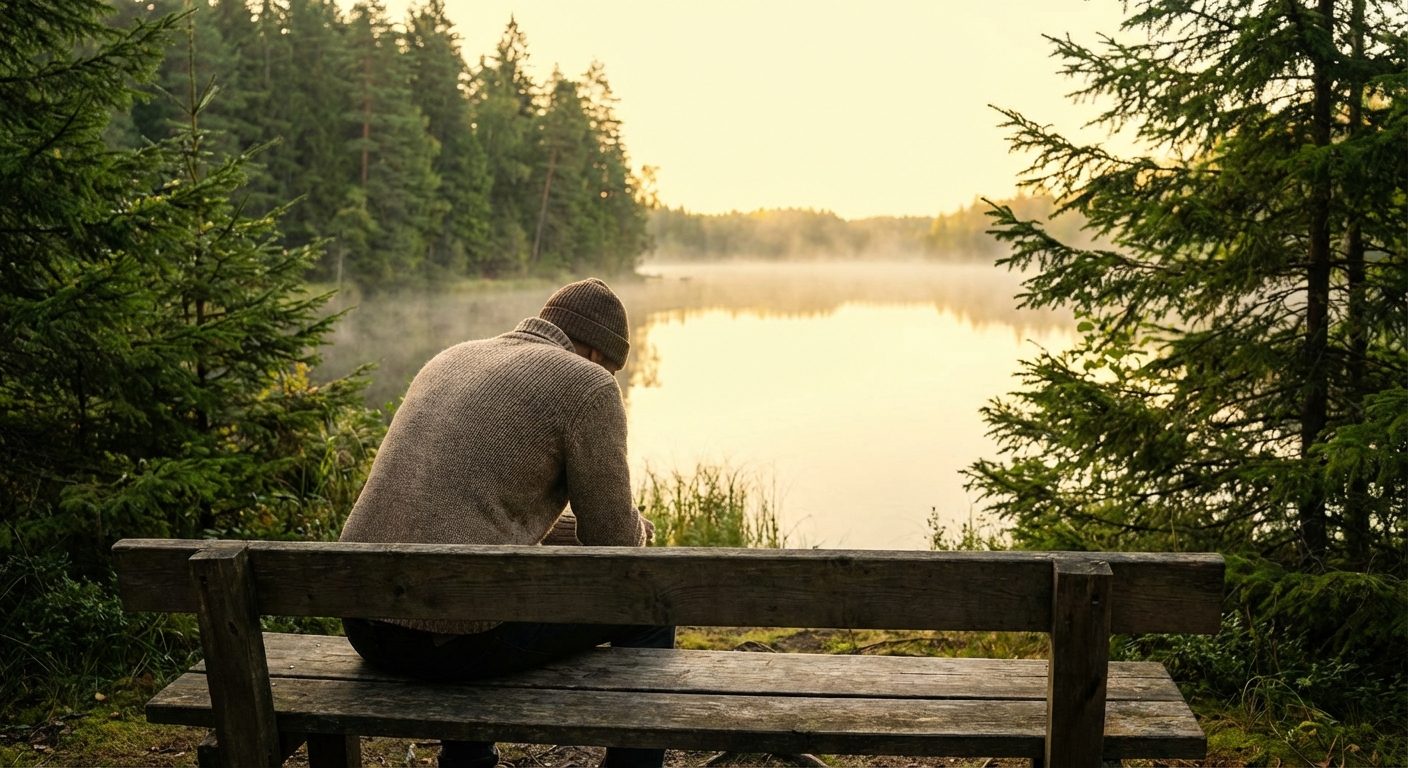
In a world obsessed with constant connectivity and social engagement, there's something refreshingly honest about admitting you'd rather spend an evening alone with a book than at a crowded party. Yet for years, preferring solitude has carried an unfair stigma, often misinterpreted as shyness, antisocial behavior, or even loneliness. Recent scientific research, however, is painting a very different picture. Studies confirm that preferring solitude is linked to higher emotional intelligence and self-awareness, challenging our cultural assumptions about what it means to thrive socially and mentally.
Understanding Emotional Intelligence
Before diving into the connection between solitude and emotional intelligence, it's worth understanding what emotional intelligence actually means. Emotional intelligence (often abbreviated as EQ or EI) refers to your ability to recognize, understand, and manage your own emotions, while also recognizing and influencing the emotions of others. It encompasses four core components:
- Self-awareness: Understanding your own emotional states and how they affect your behavior
- Self-regulation: Managing your emotions and impulses effectively
- Social awareness: Recognizing emotions in others and responding appropriately
- Relationship management: Using emotional understanding to navigate interpersonal dynamics
People with high emotional intelligence tend to be better communicators, more resilient under stress, and more successful in both personal and professional relationships. The question researchers have been exploring is: what builds these crucial skills? And surprisingly, the answer often involves time spent alone.
The Research Connection
Several landmark studies have examined the relationship between solitude preference and emotional intelligence. One significant finding comes from research published in personality psychology journals, which suggests that individuals who regularly engage in solitary activities demonstrate higher levels of self-reflection and introspection. This quiet time allows for deeper processing of emotions and experiences.
When you're alone, you're not distracted by social performance or the need to manage others' perceptions of you. This creates an ideal environment for genuine self-examination. You can sit with uncomfortable feelings, analyze your reactions, and understand the root causes of your emotional responses. Over time, this practice strengthens your emotional awareness significantly.
Another key research insight involves the concept of "optimal solitude." This isn't about isolation or withdrawal from society, but rather the intentional choice to spend time alone for reflection and recharge. Studies show that people who practice optimal solitude report:
- Better understanding of their personal values and beliefs
- Improved ability to regulate stress and anxiety
- Greater clarity in decision-making
- Enhanced creativity and problem-solving skills
- Stronger sense of identity and self-worth
How Solitude Builds Self-Awareness
Self-awareness forms the foundation of emotional intelligence. It's the ability to look inward honestly and understand what drives your behavior, triggers your emotions, and shapes your responses to the world. Solitude is perhaps the most powerful tool for developing this crucial skill.
When you spend time alone without external distractions, you create space for genuine reflection. You notice patterns in your thinking, recognize recurring emotional triggers, and become more attuned to your physical and mental states. This heightened self-awareness then translates into better emotional management in social situations.
Consider a common workplace scenario: Someone makes a critical comment about your work. A person with lower self-awareness might react defensively or feel crushed without understanding why. Someone with high self-awareness, developed partly through regular solitude, might pause and think: "I'm feeling defensive right now. Is this criticism valid? What specifically bothered me about it? How can I use this feedback constructively?" This internal dialogue is only possible when you've spent time developing self-knowledge.
The Introversion Factor
It's important to note that preferring solitude isn't exclusively an introvert characteristic, though introverts often feel more energized by alone time. Research on emotional intelligence and introversion has revealed that many introverts naturally develop stronger emotional intelligence skills because they tend to be more reflective and observant.
Introverts often prefer listening to talking, which gives them practice in understanding others' emotions and perspectives. They typically spend more time in internal reflection, building self-knowledge. And they often think before speaking, which reduces impulsive emotional reactions. These traits directly contribute to higher emotional intelligence.
However, extroverts can also develop high emotional intelligence through intentional solitude practice. The key is recognizing that regardless of your personality type, dedicated alone time serves a crucial developmental function.
Solitude vs. Loneliness: A Critical Distinction
Here's where the research becomes particularly nuanced and important. Preferring solitude is fundamentally different from experiencing loneliness. Solitude is a chosen state, often peaceful and restorative. Loneliness is an unwanted state characterized by disconnection and emotional pain.
The research specifically links emotional intelligence to chosen solitude, not to involuntary isolation. In fact, people experiencing chronic loneliness often show lower emotional intelligence because their emotional needs aren't being met. The distinction matters because it clarifies that we're not suggesting people withdraw from society or relationships.
Rather, the research indicates that people with high emotional intelligence tend to:
- Seek balance between social connection and alone time
- Feel comfortable with solitude without fearing it
- Use alone time productively for reflection and growth
- Maintain meaningful relationships while respecting their need for space
- Understand that their solitude preference reflects self-knowledge, not social inadequacy
Practical Benefits in Daily Life
Understanding the link between solitude and emotional intelligence has practical implications. People who develop this skill set through regular alone time often experience:
Better Stress Management: When you understand your emotional patterns and triggers, you can manage stress more effectively before it becomes overwhelming.
Improved Relationships: Paradoxically, people who are comfortable with solitude often have better relationships because they're not dependent on others for emotional regulation and they bring their best selves to social interactions.
Enhanced Decision-Making: Self-aware individuals make better decisions because they understand their biases, values, and emotional drivers.
Greater Resilience: When you know yourself well, you can bounce back from setbacks more effectively because you understand your coping mechanisms and strengths.
Authentic Self-Expression: Solitude allows you to figure out who you really are, independent of social pressures, which leads to more authentic living.
Building Your Solitude Practice
If you're intrigued by these findings and want to develop your emotional intelligence through solitude, start simple. You don't need to become a hermit. Even small amounts of intentional alone time can be beneficial:
- Spend 15-30 minutes daily in quiet reflection, perhaps journaling or meditating
- Take solo walks without your phone
- Read books that challenge your thinking
- Engage in creative activities alone
- Sit with your thoughts without immediately seeking distraction
- Practice mindfulness or meditation
The goal is to create regular opportunities for genuine self-reflection and internal processing. Over time, this practice builds the self-awareness that forms the cornerstone of emotional intelligence.
Moving Forward with Confidence
The research is clear: preferring solitude is not a flaw or a sign of social dysfunction. Instead, it reflects a healthy capacity for self-awareness and emotional intelligence. In a culture that often pressures us to be constantly social and externally focused, this finding is genuinely liberating.
If you've ever felt guilty about preferring a quiet evening alone to a night out, or wondered if something was wrong with you for enjoying your own company, take heart. You're likely developing one of the most valuable skills for navigating modern life successfully. The science backs you up. Your preference for solitude isn't holding you back from emotional growth; it's probably facilitating it.
The next time someone questions why you'd rather be alone, you can confidently explain that you're not antisocial or unfriendly. You're simply investing in the self-awareness and emotional intelligence that will make you a better friend, partner, colleague, and person. And the research supports that completely.