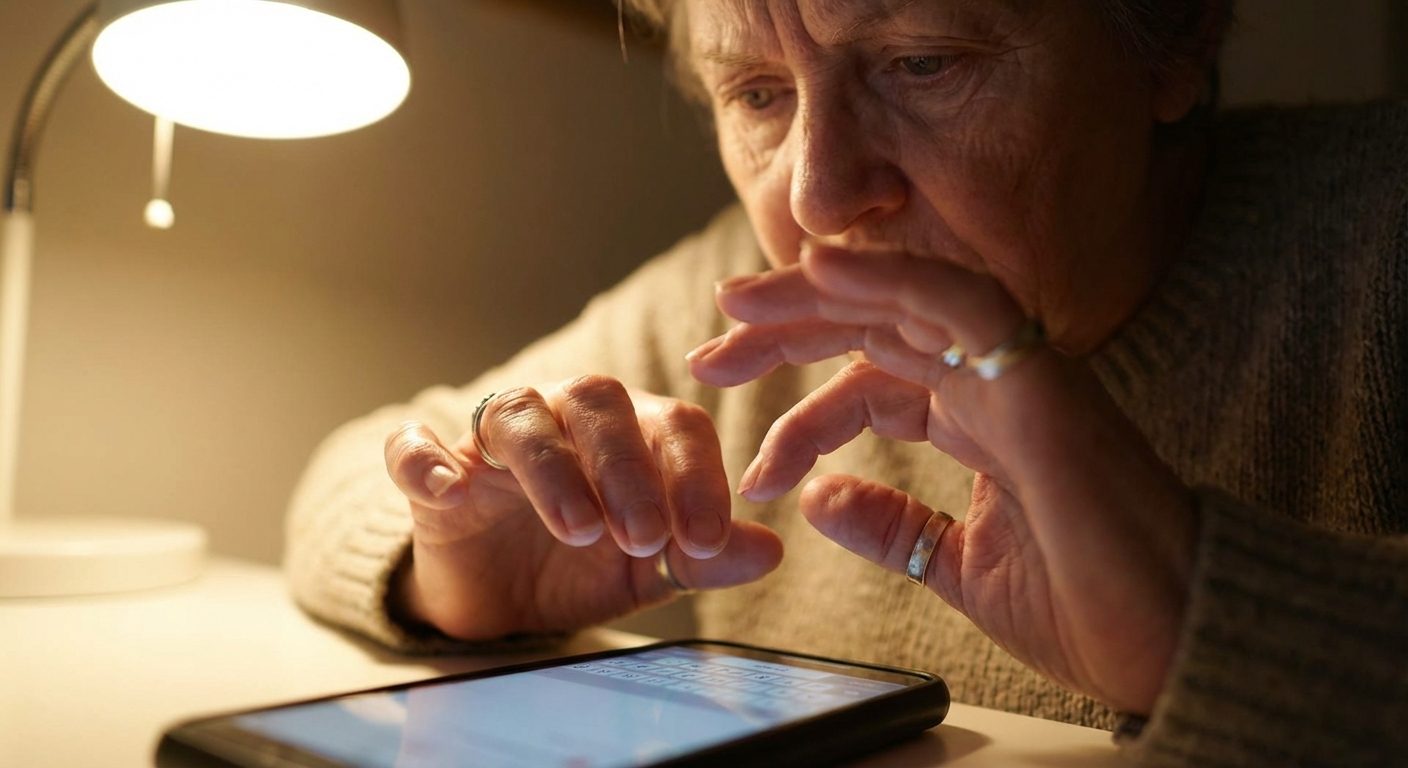
We live in an era of communication choices. Some people reach for their phones to call, while others immediately open a messaging app. Research increasingly suggests this preference isn't random or lazy. Instead, it reveals something meaningful about how people approach dialogue and connection. Those who favor texting over phone calls often demonstrate a deliberate commitment to thoughtful, intentional communication that benefits both sender and receiver.
The Rise of Text-Based Communication
The shift toward texting hasn't happened by accident. Over the past decade, messaging apps have become the primary communication method for millions worldwide. What was once considered a novelty has evolved into a sophisticated tool for meaningful exchange.
This transition reflects deeper changes in how we value our time and attention. Phone calls demand immediate presence and real-time responses. Texting allows people to engage when they're mentally prepared, creating space for more considered conversations. The ability to pause, reflect, and craft responses has transformed texting from a casual medium into one that supports deeper thinking.
What Science Reveals About Texting Preferences
Recent psychological research has uncovered compelling patterns about people who prefer texting. A study published in communication psychology journals found that individuals who choose messaging tend to score higher on measures of conscientiousness and thoughtfulness. These individuals typically:
- Take time to consider their words before sending
- Prefer written clarity over verbal ambiguity
- Value having a record of conversations
- Feel more comfortable expressing complex ideas in writing
- Appreciate the ability to communicate without social pressure
The research suggests that texting preferences correlate with personality traits associated with careful deliberation. People who favor this medium aren't avoiding connection. Rather, they're choosing a format that aligns with their communication style and values.
The Thoughtfulness Advantage
Thoughtful communication means considering the impact of your words before they reach the other person. Texting naturally supports this practice in ways phone calls cannot.
Time for Reflection
When you text, you have the luxury of time. You can draft a message, read it again, revise it, and ensure it conveys exactly what you mean. This pause between composition and sending creates space for thoughtfulness that spontaneous speech rarely allows. People who prefer texting often report feeling more confident that their message will be understood correctly.
Written Clarity
Text-based communication removes the variables of tone of voice, facial expressions, and ambient noise. What remains is pure content. This forces writers to be more explicit and precise. When you can't rely on vocal inflection to convey meaning, you must choose your words more carefully. The result is often clearer, less ambiguous communication.
Reduced Social Anxiety
Many people experience anxiety during phone calls. The expectation of immediate responses, the pressure to perform verbally, and the inability to edit create stress. Texting removes these barriers. Research indicates that people with social anxiety or neurodivergent traits often find texting more accessible and less overwhelming than voice calls.
The Record-Keeping Benefit
One advantage of text-based communication that shouldn't be overlooked is the automatic documentation it creates. Every message becomes part of a searchable record.
This matters for several reasons:
- Accuracy: You can reference exactly what was said without relying on memory
- Accountability: Both parties have clear records of agreements and commitments
- Accessibility: People can review conversations at their own pace, making it easier for those with hearing difficulties or processing delays
- Professional Value: In work contexts, text documentation provides clarity and protection
People who appreciate these benefits often prefer texting because it aligns with their need for clarity and organization.
Dispelling the Myth That Texters Avoid Connection
A persistent misconception suggests that people who prefer texting are avoiding real connection. Science tells a different story. Texting isn't about distance. It's about choosing a medium that facilitates the kind of connection you value most.
Consider the difference between a rushed phone call and a thoughtful text exchange. The phone call might be quicker, but the text conversation might be deeper, more honest, and more meaningful. People who recognize this often deliberately choose texting for important conversations.
Studies on long-distance relationships show that couples who communicate primarily through text often report high satisfaction with their connection. The medium doesn't determine the depth of relationship. The intentionality behind the communication does.
How Texting Supports Different Communication Needs
Not everyone processes information the same way. Texting's flexibility makes it valuable for diverse communication styles.
For Visual Learners: Text allows people to see information laid out clearly, making it easier to process and remember.
For Introverts: The asynchronous nature of texting reduces the social energy required for communication.
For Non-Native Speakers: Having time to compose messages in a non-native language reduces anxiety and improves clarity.
For People with Processing Differences: Those with ADHD, autism, or other processing variations often find texting more manageable than the rapid demands of phone conversation.
For Busy Professionals: Texting fits into fragmented schedules without requiring a dedicated block of time.
The Neuroscience Behind Preference
Brain imaging studies suggest that writing engages different neural pathways than speaking. When you write, you activate areas associated with planning, organization, and careful word selection. This neurological engagement supports the kind of thoughtful communication that texting enables.
Additionally, the ability to review your own message before sending engages metacognitive processes. You're thinking about thinking, evaluating your communication before it reaches its destination. This self-awareness naturally leads to more thoughtful exchanges.
Creating Space for Meaningful Dialogue
The preference for texting over phone calls ultimately reflects a desire for communication that is:
- Intentional: Each message is considered, not spontaneous
- Clear: Words are chosen for precision, not speed
- Respectful: The medium honors both parties' time and attention
- Inclusive: It accommodates different communication needs and styles
- Documented: Important conversations leave a clear record
These qualities define thoughtful communication. They're not the hallmarks of someone avoiding connection. They're the markers of someone who takes communication seriously.
Making the Most of Text-Based Communication
If you're someone who prefers texting, or if you want to improve your text-based communication, consider these practices:
- Be specific and clear in your message
- Use line breaks to improve readability
- Avoid using texting for conversations that require immediate resolution of conflict
- Recognize when a phone call might be more efficient, and be willing to suggest one
- Appreciate the thoughtfulness that your preferred medium enables
The key is using texting intentionally, not defaulting to it out of habit or avoidance.
Understanding Communication Preferences
Science increasingly validates what many people already know: different communication methods serve different purposes. Texting isn't better than phone calls, and phone calls aren't better than texting. They're different tools for different situations.
What the research does show is that people who prefer texting often bring valuable qualities to their communication. They tend to be thoughtful, organized, and intentional about how they connect with others. These are qualities worth recognizing and appreciating.
The next time you notice someone choosing to text rather than call, consider that they might be making a deliberate choice to communicate in the way that best serves both of you. They might be valuing thoughtfulness over speed, clarity over convenience, and intentionality over spontaneity. In a world of constant noise and demands on our attention, that choice deserves respect.