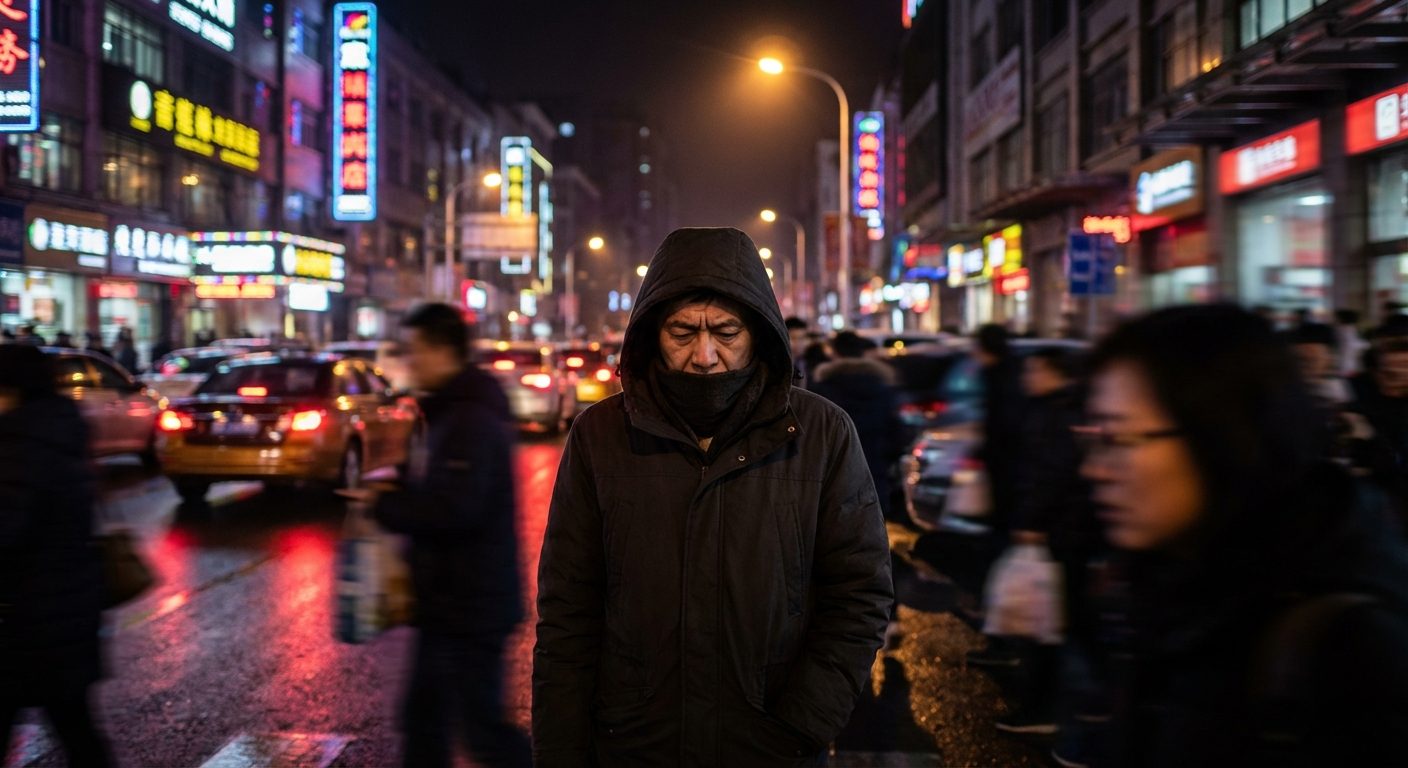
Have you ever noticed how your friend bounces out of a packed concert energized while you're ready to collapse after an hour? Or how you feel completely recharged after a busy day at the office while your partner needs to hide away for hours? This isn't just a personality quirk or a sign of being antisocial. There's solid psychology behind why crowded environments affect us so differently.
The way we respond to crowded places reveals something fundamental about how our brains are wired. Understanding these differences can help you navigate social situations better, manage your energy levels, and stop judging yourself (or others) for your natural responses to busy environments.
The Science Behind Sensory Sensitivity
Our brains aren't all built the same way when it comes to processing sensory information. Some people have what psychologists call "high sensory processing sensitivity," meaning their nervous systems pick up on more environmental details and respond more intensely to stimulation.
When you're in a crowded space, your brain is simultaneously processing:
- Multiple conversations happening around you
- Visual stimuli from movement and color
- Physical sensations from proximity to others
- Background noise and ambient sounds
- Temperature changes and air quality
For people with higher sensory sensitivity, this bombardment of information requires significantly more mental energy to filter and process. Their brains don't naturally dampen down irrelevant stimuli the way others do, so they have to work harder to focus on what matters.
Introversion vs. Extroversion: More Than Just Shyness
One of the biggest misconceptions about crowded places is that introverts hate them because they're shy, while extroverts love them because they're outgoing. The reality is more nuanced and rooted in neurobiology.
The difference comes down to dopamine sensitivity and arousal levels. Introverts have higher baseline arousal in their nervous systems, meaning they're already operating at a higher level of stimulation. Crowded environments push them over their optimal arousal threshold, causing overstimulation and fatigue.
Extroverts, on the other hand, have lower baseline arousal. They need external stimulation to reach their optimal level of alertness and engagement. Crowded places provide exactly that stimulation, which is why they feel energized rather than drained.
This isn't about social skills or confidence. An introvert can be charismatic and socially skilled while still finding crowded places exhausting. An extrovert can be shy but still feel energized by the presence of many people.
The Role of the Nervous System
Your autonomic nervous system plays a crucial role in how you experience crowded environments. This system has two main branches: the sympathetic nervous system (your fight-or-flight response) and the parasympathetic nervous system (your rest-and-digest response).
When people find crowded places draining, their sympathetic nervous system becomes activated. They experience:
- Increased heart rate
- Elevated cortisol levels
- Heightened vigilance
- Faster breathing
- Muscle tension
This activation isn't voluntary. It's an automatic response based on how their nervous system interprets the environment. The body perceives the density of people, noise, and unpredictability as a mild threat, triggering a stress response.
For those who find crowds energizing, the sympathetic activation feels pleasant and stimulating rather than stressful. Their body interprets the same environment as exciting and engaging rather than threatening.
Cognitive Load and Mental Resources
Crowded places require constant cognitive processing. You're making micro-decisions about personal space, navigating social interactions, and filtering sensory information. This consumes what psychologists call "mental bandwidth" or cognitive resources.
People vary significantly in how much cognitive load they can handle before feeling depleted. Some individuals have larger cognitive reserves and can maintain focus and social engagement even in demanding environments. Others deplete their mental resources more quickly.
This explains why some people can work in open office environments all day and feel fine, while others need quiet time to recover even after a few hours. It's not about work ethic or social ability. It's about how efficiently their brain allocates cognitive resources.
Personality Traits and Environmental Sensitivity
Beyond introversion and extroversion, several personality traits influence how crowded places affect us:
Neuroticism: People higher in neuroticism tend to experience more negative emotions in crowded settings, amplifying feelings of anxiety or overwhelm.
Openness to Experience: Those high in openness often enjoy the novelty and social opportunities that crowds provide.
Conscientiousness: People high in conscientiousness might feel stressed by the unpredictability of crowded environments, while those lower in this trait might find that unpredictability exciting.
Agreeableness: Highly agreeable individuals might struggle with crowded places due to the difficulty of managing multiple social interactions simultaneously.
These traits interact with sensory sensitivity and arousal levels to create your unique response to crowded environments.
The Impact of Past Experiences
Your history with crowds also shapes your current response. Someone who had positive, energizing experiences at concerts or parties will likely approach similar situations with enthusiasm. Conversely, someone who experienced anxiety or panic in crowds may develop anticipatory anxiety that makes future crowded environments feel more draining.
This means your response to crowded places isn't entirely fixed. Through gradual exposure, cognitive reframing, and stress management techniques, you can shift how you experience these environments, even if your baseline sensitivity remains the same.
Practical Implications for Daily Life
Understanding these psychological differences has real practical value. If you find crowded places draining, you can:
- Schedule recovery time after social events
- Use noise-canceling headphones or earplugs to reduce sensory input
- Take breaks during extended social situations
- Choose quieter venues when possible
- Practice grounding techniques to manage overstimulation
If you're energized by crowds, you might:
- Seek out social opportunities and group activities
- Consider careers involving high social interaction
- Recognize when others need space and recovery time
- Help create environments where different personality types feel comfortable
Moving Beyond Judgment
The most important takeaway is this: neither response is better or worse. They're simply different ways our brains and nervous systems are wired. The person who needs to leave the party early isn't weak or antisocial. The person who could stay all night isn't shallow or hyperactive.
When you understand the psychology behind these differences, you can approach your own responses with more self-compassion and approach others with more understanding. You can stop trying to force yourself into an incompatible social mold and instead work with your natural tendencies.
The next time you find yourself drained by a crowded place, or energized by one, remember that there's legitimate neuroscience explaining your experience. Your response is valid, it's normal, and it's telling you something important about how your particular brain works best.